

The Hardest Love Letter to American Agriculture
Holly Haralson usually prefers the background. As the CFO of Empire Ag and COO of EA Capital Management, she operates in the quiet machinery behind the brand, managing the ledgers while her husband, Jonathon, manages the microphone. But in a recent unscripted turn on the "Your Ag Empire" podcast, Haralson stepped forward to address a subject rarely discussed in the boardroom or the barn: the destructive nature of love.
This wasn’t a sentimental Valentine’s Day tribute.
For generations, the narrative of the American farmer has been one of unyielding devotion to the land. But Haralson argues this very devotion, when unchecked by cold, hard business acumen, often becomes the weapon that severs the family from the farm.
"I've been watching what's happening right now in agriculture, the financial pressure, the conversations that Jonathon's been having with clients," Haralson says. Underneath the balance sheets and the bank meetings, she sees an emotional current that dictates every decision. "It's love, not that Valentine's Day card version, the real version, the complicated version when a banker tells you to get out and it feels like they're asking you to cut off your own arm."
The diagnosis is stark. When a producer cannot sleep at 3 a.m., terrified of the future, it is because they love what they are building. When the idea of filing for Chapter 12 bankruptcy feels like a moral failing rather than a strategic maneuver, it is because their identity is fused to the soil.
"That's because your identity is wrapped up in this operation that you love," she notes.
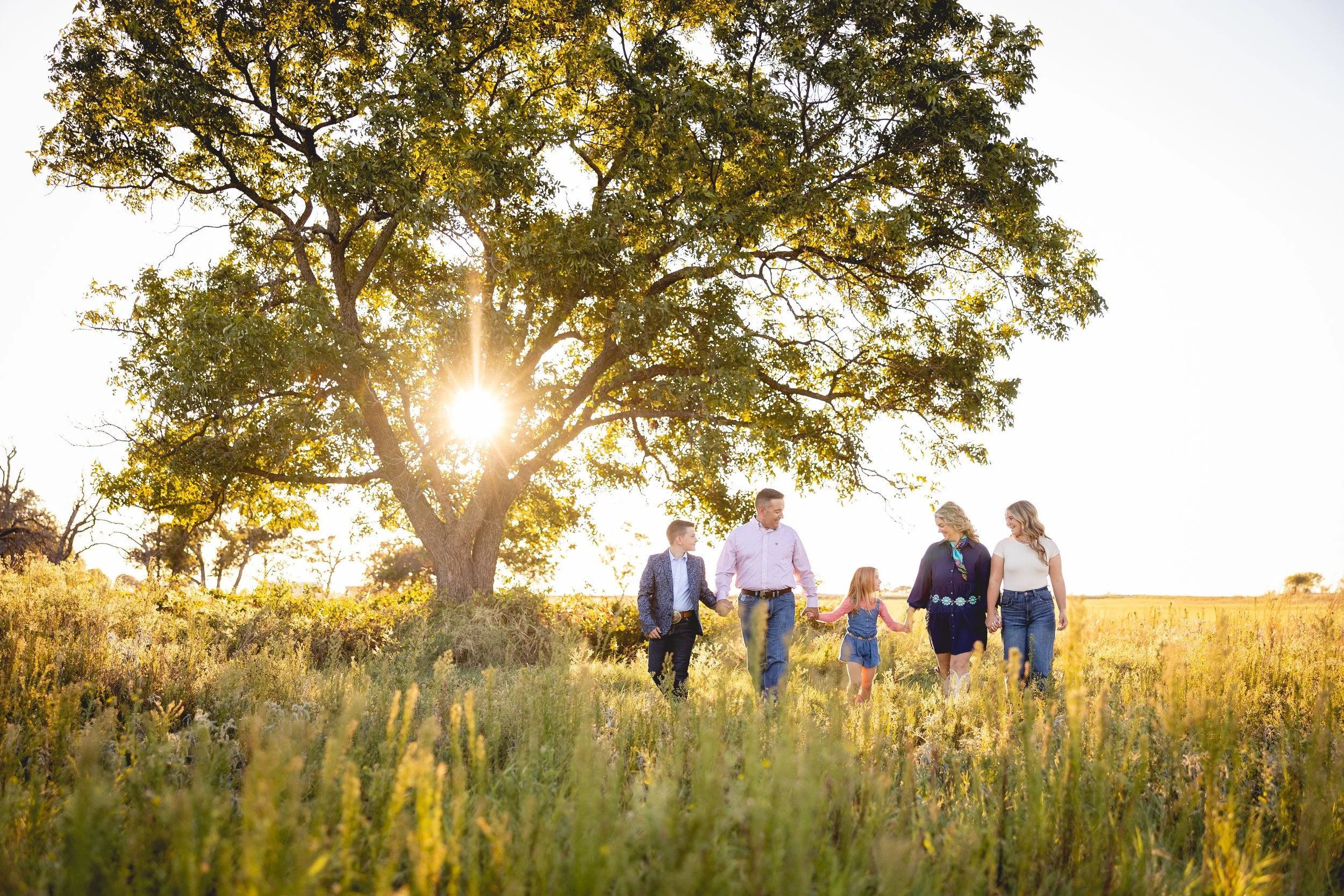
"Sometimes loving your spouse means protecting your marriage from the tyranny of the operation," Haralson asserts.
Haralson’s perspective is unique because she is an insider with an outsider’s eyes. She didn't grow up in big production agriculture. She spent more than a decade as a pharmacist, constructing a completely different life until significant workplace trauma forced a pivot. That break from her first career gave her a window into the pain her clients face today.
"I had to let go of being the pharmacist. I had to let go of everything I had known to become whatever it is I am now," she reflects. "And that loss of identity is real. It is painful."
She brought her systems-thinking background from healthcare into the chaotic world of agriculture, partnering with Jonathon to build Empire Ag. In doing so, she realized many producers are suffering from a love that has curdled into entrapment. They hold on too long. They refuse to sell. They avoid the succession talks that might hurt feelings, effectively dooming the next generation to chaos.
"There are producers who are sacrificing everything, their mental health, their relationships, their financial stability in the name of love, but it's not really love," she says. "It's pride dressed up as loyalty. It's fear dressed up as a commitment."
The romanticized view of the struggling rancher "fighting the good fight" often masks a tragic reality: families broken by the very asset meant to sustain them. Haralson challenges the industry to redefine what it means to love the farm. It is not about martyrdom. It is about making the decisions that ensure survival, even when those decisions feel like betrayal.
"Sometimes loving your spouse means protecting your marriage from the tyranny of the operation," she asserts. "Sometimes the most loving thing you can do is restructure."
This redefinition requires a level of honesty that most are not prepared for. It might mean cutting inputs, accepting lower yields to protect margins, or sitting down with a father and telling him it is time to step back. "Love without wisdom is just bondage," she warns.
For Haralson and her husband, building an empire has required navigating these same waters. They have had to learn how to be partners in business without losing their partnership in life. It requires respecting the friction between his visionary nature and her operational brain.
"We've learned how to protect our marriage while building an empire," she says. "How to make hard financial decisions as a team, how to deal with our own stuff so we don't pass on dysfunction to our children."
The message she delivers is not easy to hear, but it is necessary. In a year where financial pressures are mounting and the future feels volatile, the old ways of simply working harder and loving deeper are not enough. The sentimentality must be stripped away to reveal the nuts and bolts of a viable business.
"You are not the land. You are not the operation," she says, speaking directly to carrying the unseen emotional load of the farm. "You are someone who loves something deeply, and that love is real. Even if the circumstances change."
Ultimately, the goal is to ensure the affection for the lifestyle does not destroy the life itself.
"Make sure the way you're showing love is actually building something worth keeping," Haralson advises. "Not just slowly destroying everything you care about."
Love is the root of everything in agriculture—the late nights, the risk, the legacy. But as Haralson reminds us, love is only a virtue if it is wise enough to know when to fight, and when to fix the fence before the cattle get out.
